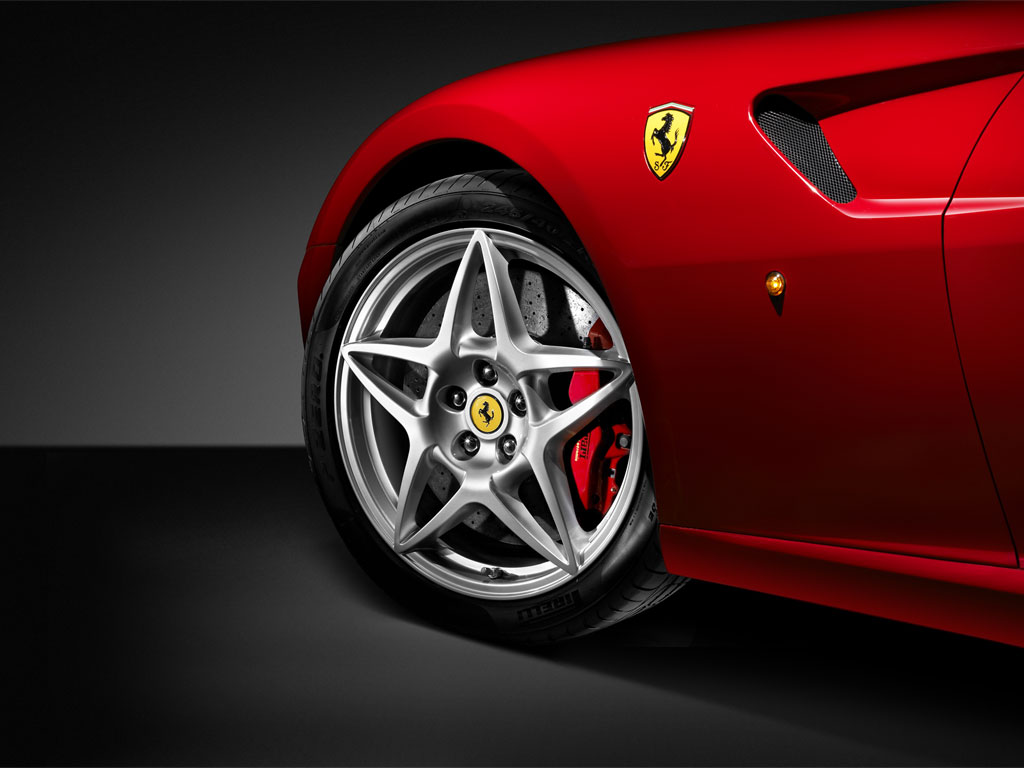
Luxury Sports Cars are lovely to look at but if you can't afford the real thing the next best is a gleaming, shiny and brand new Luxury Sports Car. Pictured above is a lovely red BMW M6 which has five spoke rims on those large wheels which fill those arches. The curves of this Luxury Sports Car do not dissapoint since they add to the overall breathtaking effect of the car.
Overall this is a very good Luxury Sports Cars Wallpaper which will adorn the desktops of many many Luxury Sports Car fans. By the way do you know which bridge is behind this Luxury Sports Car?
Luxury Sports Cars are the epitome of class and self preference but once you start to your Luxury Sports Cars start to accumulate there is an odd normality to them. Hence there are car modification businesses all over the world (to be frank) that satisfy your every whim regarding your car as long as your pocket is vast enough.
For most a Luxury Sports Cars is a far away dream while for many it is just a normality which is just a part of every day life. In the near future we will be exploring businesses which can produce Bespoke Luxury Sports Cars if you have that extra something special in mind.
Here at Luxury Sports Cars we are proud to be launching today. We aim to bring a difference to the web and indeed to you by providing the latest and greatest information and exclusives on anything concerning Luxury Sports Cars.
Above is a nice image of an Aston Martin which seems to be a fitting way to start Luxury Sports Cars especially with the recent revelation of the title of the newest instalment to the James Bond collection, Quantum of Solace.
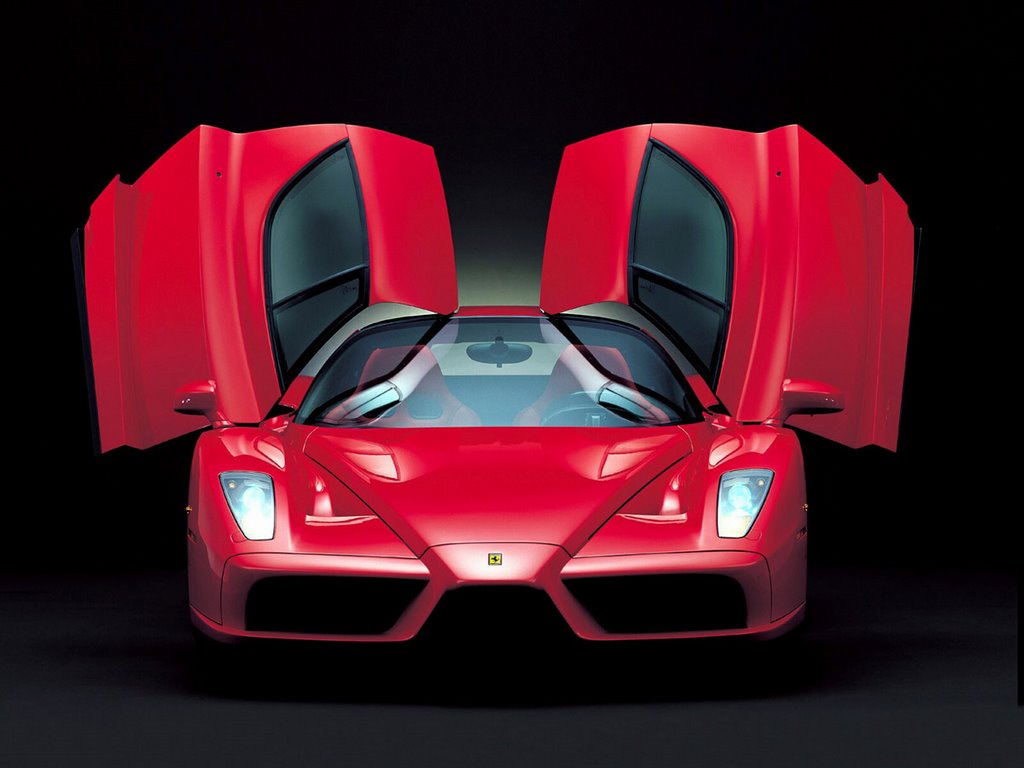
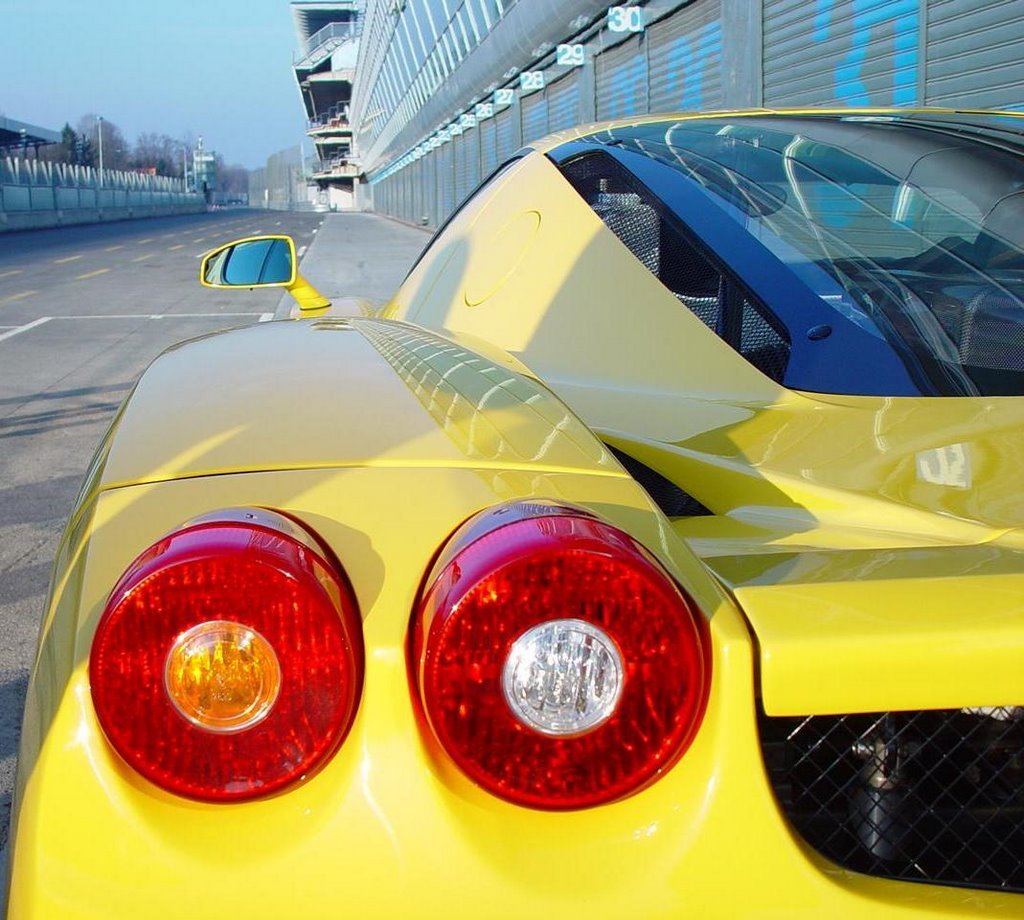
The Enzo Ferrari is a 12-cylinder Ferrari supercar named after the company's founder, Enzo Ferrari. It was built in 2003 using Formula One technology, such as a carbon-fiber body, F1-style sequential shift transmission, and carbon-ceramic brake discs. Also used are technologies not allowed in F1 such as active aerodynamics. After a downforce of 775 kg (1709 lb) is reached at 300 km/h (186 mph) the rear wing is actuated by computer to maintain that downforce.
The Enzo's V12 engine is the first of a new generation for Ferrari. It is based on the architecture of the V8 found in sister-company Maserati's Quattroporte, using the same basic architecture and 104 mm bore spacing. This design will replace the former architectures seen in V12 and V8 engines used in most other contemporary Ferraris. The 2005 F430 is the second Ferrari to get a version of this new powerplant.
In 2004, Sports Car International named the Enzo Ferrari number three on their list of Top Sports Cars of the 2000s.
Every four years Ferrari plans on coming out with a new version of the Enzo (not necessarily being called the Enzo). The new model of the Enzo comes equipped with a carbon fiber front bumper, and instead of having mirrors it has cameras(the views are displayed on a navigation system in the center console.
Motor Trend Classic named the Enzo as number four in their list of the ten "Greatest Ferraris of all time".
The Enzo is a mid-engined car with a 43.9/56.1 front/rear weight distribution. The engine is Ferrari's F140 65° V12 with 4 valves per cylinder, dual overhead cams and variable valve timing. Bosch Motronic ME7 fuel injection is used and the engine is naturally aspirated. It displaces 5998 cm³ (366 in³) and produces 485 kW (651 hp/660 PS) at 7800 rpm and 657 N•m (485 ft•lbf) at 5500 rpm. The redline is 8000 rpm.
612 Scaglietti
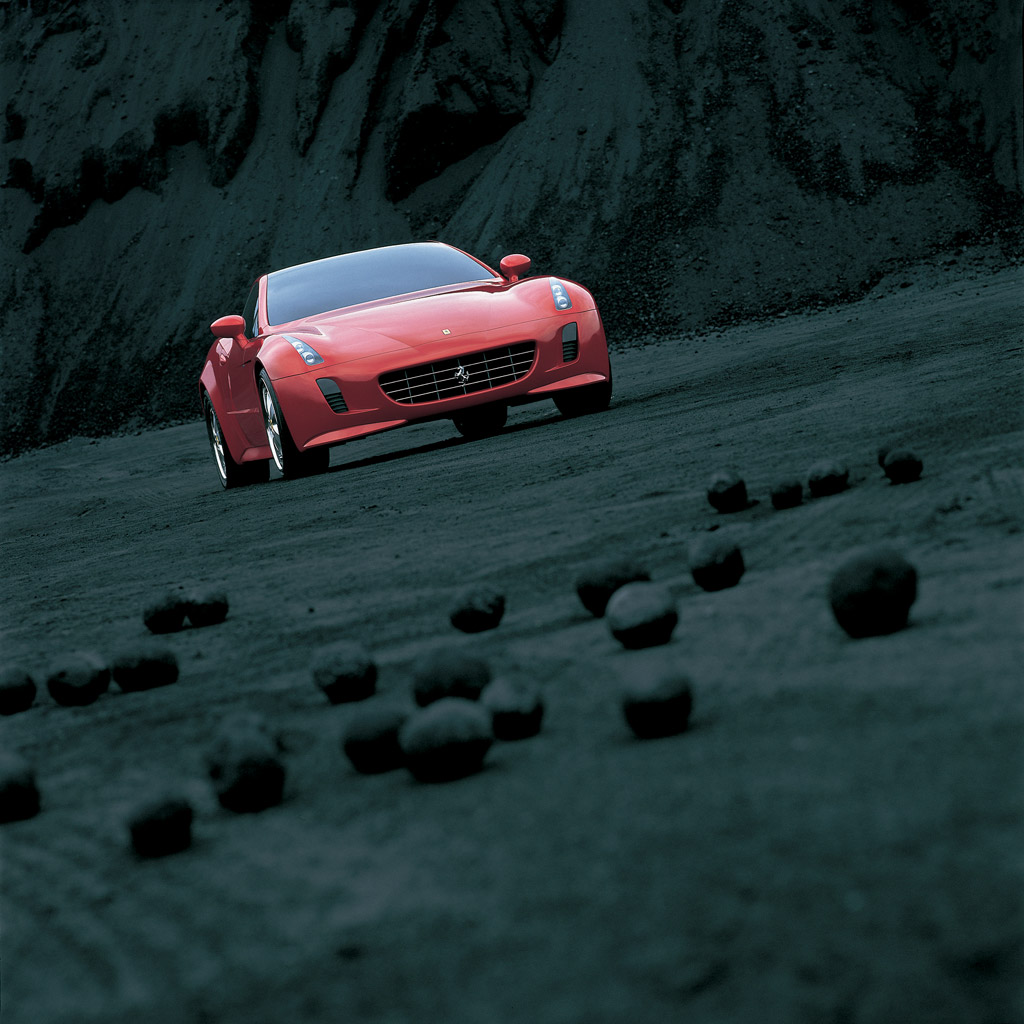
The Ferrari 612 Scaglietti (skal-yeti) is a Gran Turismo car produced by Ferrari since 2004. It is a large two door fastback coupe with a 2+2 seating arrangement. The 612 Scaglietti was designed to replace the smaller Ferrari 456M. Its larger size makes it a true 4 seater with adequate space in the rear seats for adults.
It is produced at Ferrari's Carrozzeria Scaglietti plant, the former home of the car's namesake coachbuilder in Modena, Italy. The design, especially the large side scallops and the headlights, pays homage to the custom 1954 Ferrari 375 MM that director Roberto Rossellini had commissioned for his wife, Ingrid Bergman.
The 612 Scaglietti shares its naturally aspirated 5.7 L (5748 cc) V12 engine with the 575M Maranello. The Tipo F133E engine produces 540 CV (533 hp/397 kW) at 7250 rpm and 588 N•m (433 ft•lbf) at 5250 rpm with a compression ratio of 11.2:1. The car is capable of 199 mph (315 km/h) and has a 0-60 mph time of 4.2 seconds. It comes with two six speed transmission options: a conventional manual or the F1A paddle shift system, a much refined version of the F1 system in Ferrari 360 Modena.
F430
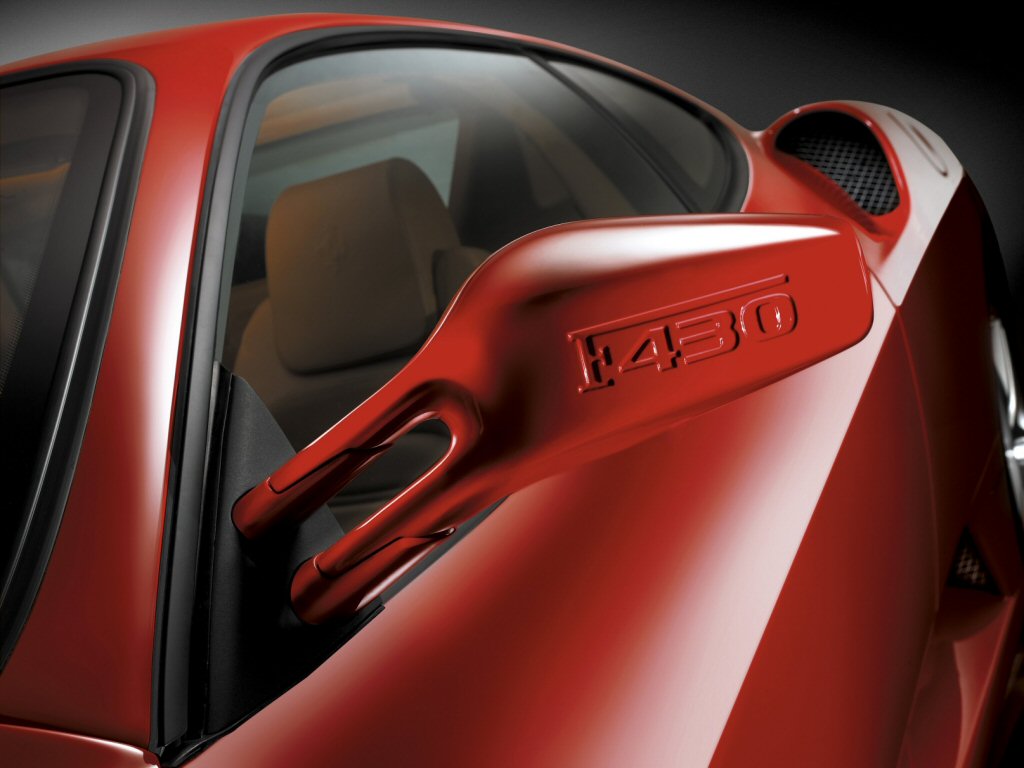
The Ferrari F430 is a high-performance sports car produced by the Italian automaker Ferrari to succeed the Ferrari 360. It debuted at the 2004 Paris Motor Show. European left-hand drive sales began in November, 2004, but right-hand drive sales did not start until Spring 2005, and the United States did not get the F430 until Summer 2005.
Along with a restyled body, the F430 features a 4.3 L V8 gasoline engine derived from a shared Ferrari/Maserati design. This new powerplant is a significant departure for the F430's line: The engines of all previous V8 Ferraris were descendants of the "Dino" racing program of the 1950s. This fifty year development cycle comes to an end with the entirely new 4.3 L, the architecture of which will later replace the Dino-derived V12 in most other Ferrari cars. Power is 360.4 kW (483 hp) at 8500 rpm and torque 465 N•m (343 ft•lbf) at 5250 rpm.
The Ford GT features many new and unique technologies, including super-plastic-formed aluminum body panels, roll-bonded floor panels, a friction-stir welded center tunnel, a “ship-in-a-bottle” gas tank, a capless fuel filler system, one-piece door panels and an aluminum engine cover with a one-piece carbon-fiber inner panel.
Brakes are four-piston aluminum Brembo monoblock calipers with cross-drilled and vented rotors at all four corners. When the rear canopy is opened, the rear suspension components and engine are visible.
The 5.4L V8 powerplant is all-aluminum and fed by a Lysholm screw-type supercharger. It features unique 4-valve DOHC cylinder heads and a forged rotating assembly. It uses an aluminum block designed by Ford specifically for the GT program with an emphasis on block rigidity. The resulting power output is 550 horsepower and 500 foot-pounds of torque. A Ricardo six-speed manual transmission is fitted featuring a helical limited-slip differential.
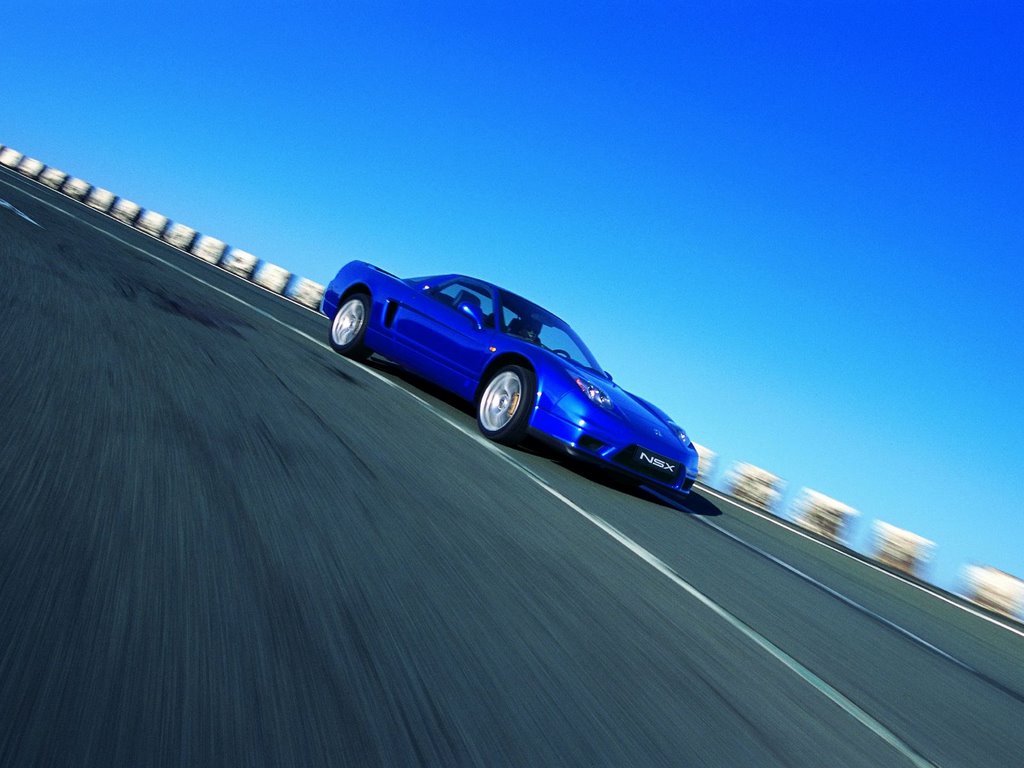
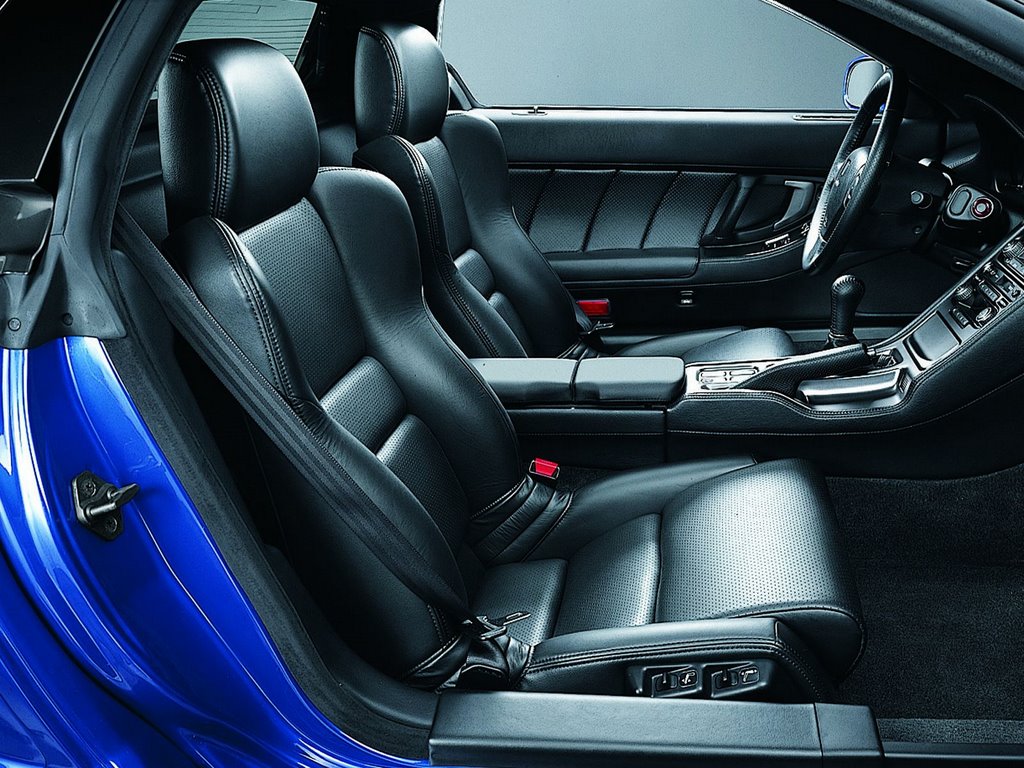
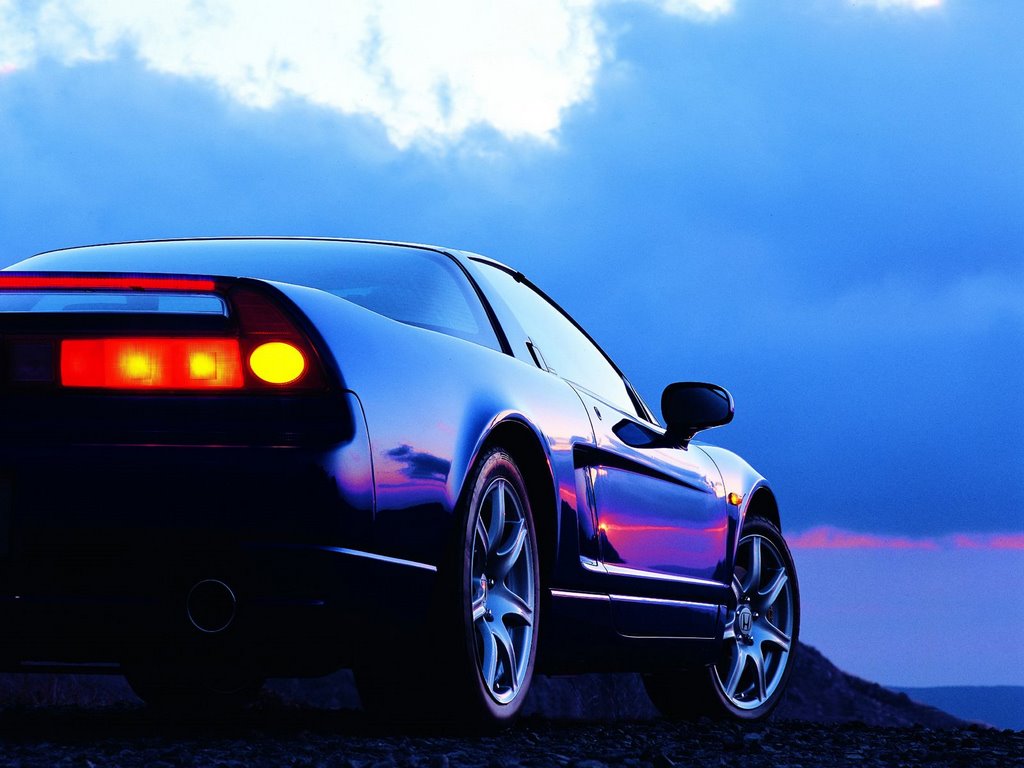
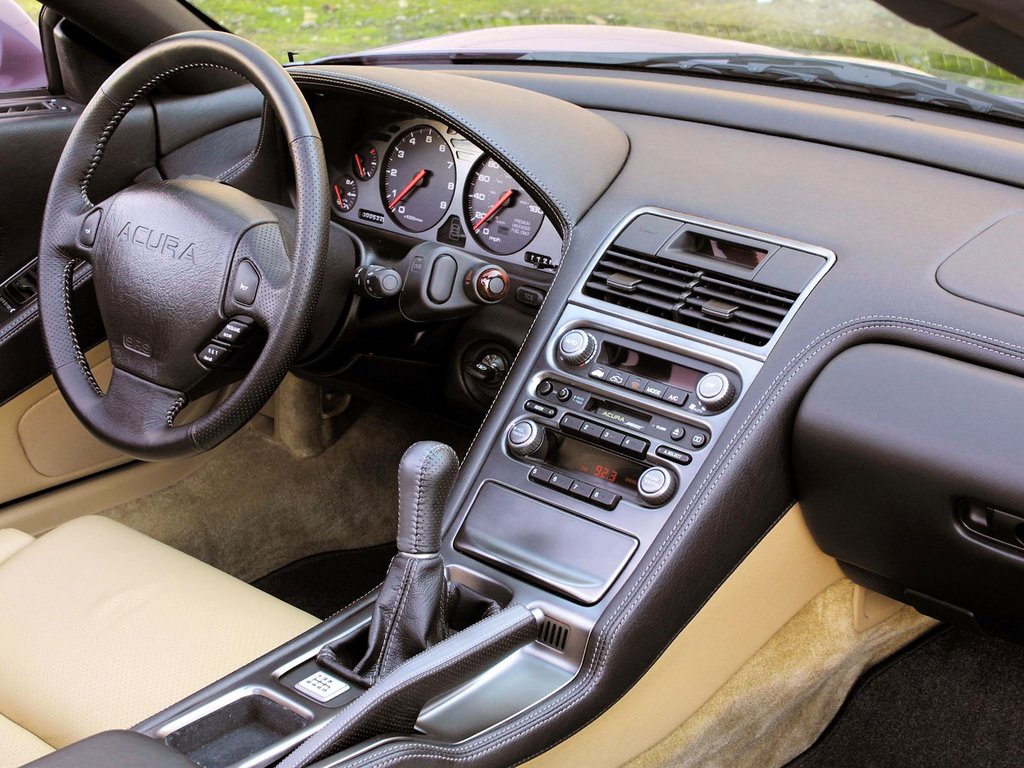
Honda shocked the exotic car world when it introduced its NSX in 1990. Honda designers started with the basic exotic-car wedge (championed by the Ferrari Testarossa and 308), that would remain basically unchanged for its entire life. To back up the styling, the mechanical specifications were right out of a race car.
The NSX featured a super-light all-aluminum chassis, body, and suspension, a first for a production car. The suspension was a double wishbone suspension, mounted at both ends on aluminum subframes. The standard race-inspired V6 engine was mounted midship and featured Variable Valve Timing and Lift Electronic Control (VTEC), six individual coils, and titanium connecting rods. This was the first application of VTEC in a vehicle offered outside of Japan.
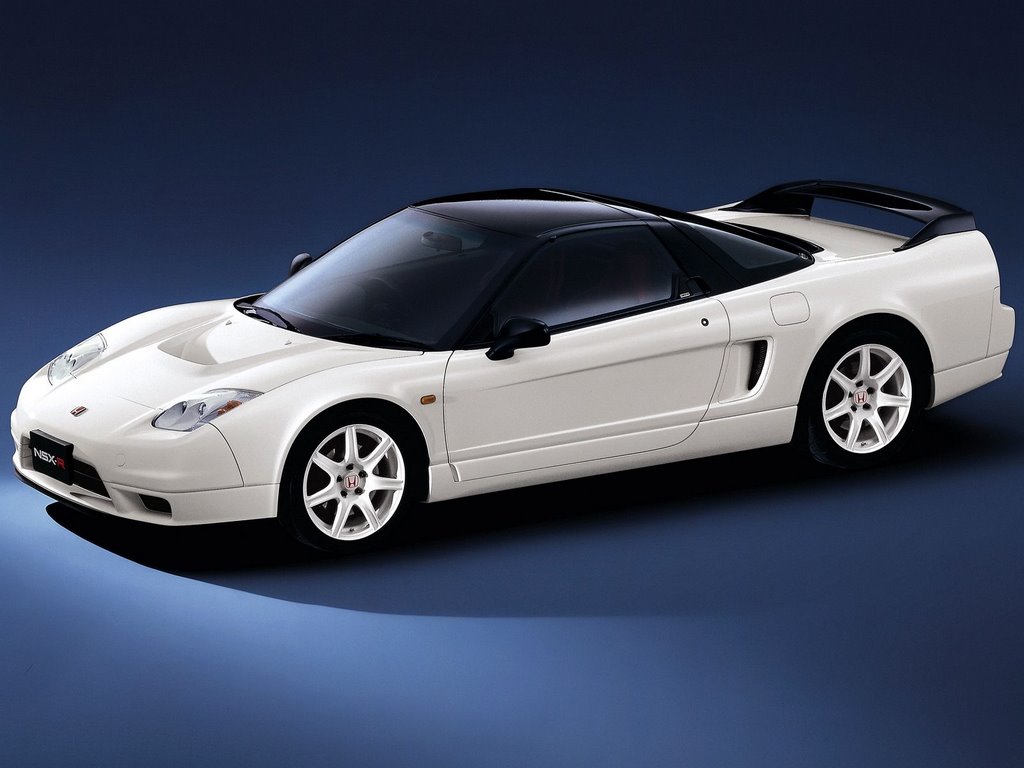
Beginning in 1992 Honda produced a limited number of around 500 NSX-Rs for the Japanese domestic market. Major changes include a blueprinted engine producing 280 BHP in stock form, a short ratio gearbox, more aggressive suspension and an extensive weight reduction to 1230 kg from the normal NSX weight of 1350 kg. The NSX-R was very track oriented as it lacked sound deadening, audio, electric windows, and air conditioning in an effort to reduce weight. Yet these items were available for a hefty premium as optional items. Production ended in 1995.
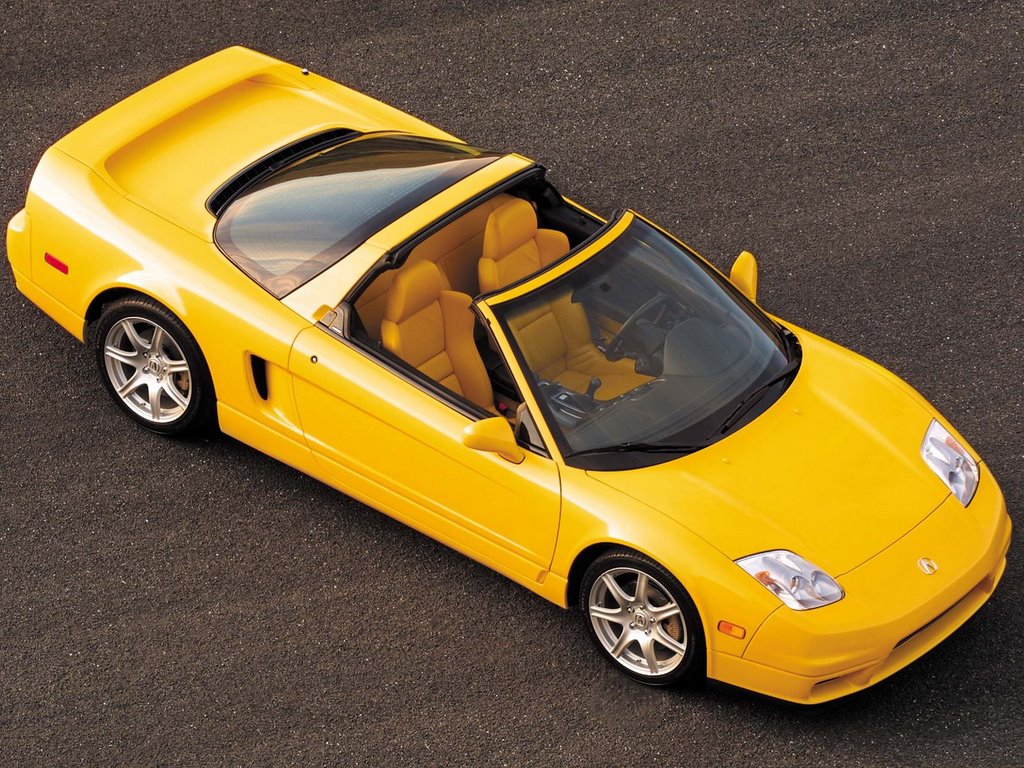
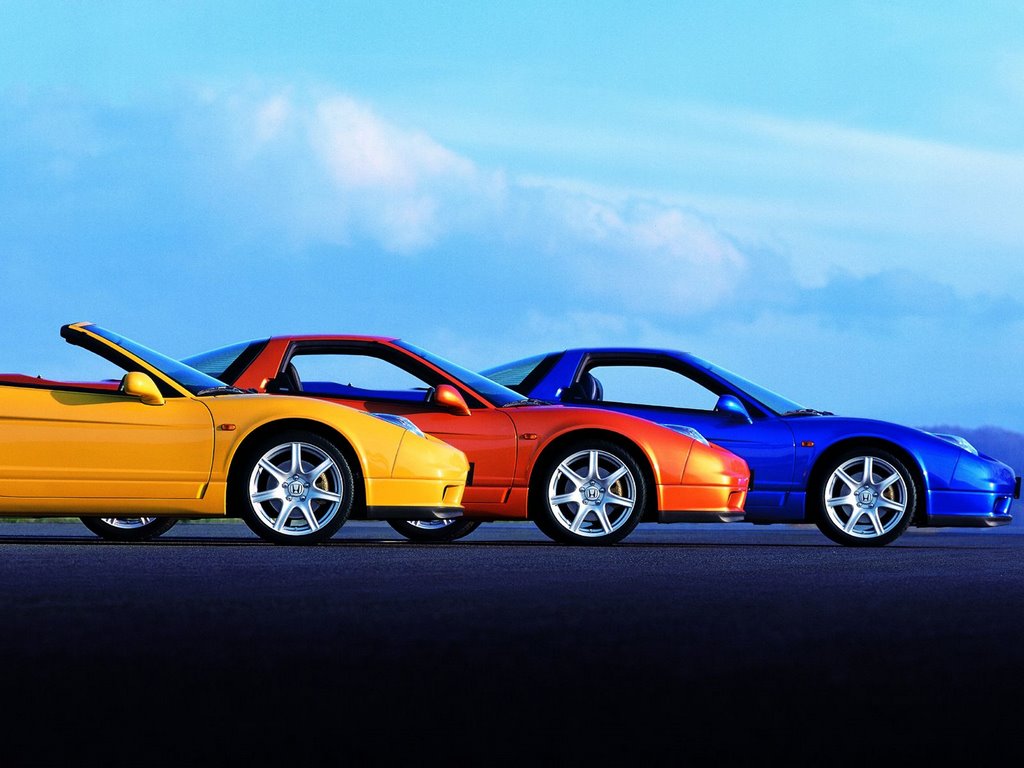
In 1995 the NSX-T was released with a targa top roof. The removable roof hurt the chassis rigidity of the NSX and added about 100 pounds of weight. Nevertheless, the NSX-T was the only NSX available in the U.S. for 1995 - coupes were not available. All roofs were now body colored instead of black and several new colors were available. Finally available on the manual transmission version NSX was the electric power steering previously only available in the automatic version.
1997 brought the biggest changes to the performance of the current generation NSX. For 1997 engine displacement increased from 3.0 L to 3.2 L. This new 3.2 L C32B engine gave it slightly more rated power. This improved horsepower from 270 hp to 290 hp while torque increased from 210 to 224 ft·lbf (manual transmission only).
Another big change was the change from a 5-speed transmission to the current 6-speed manual. On the dragstrip, the new NSX rang up better numbers than the horsepower and torque improvements may suggest over previous model NSXs. Other notable changes include a brake rotor size increase from 12 inches to 13 inches, a new aluminum alloy to reduce weight and increase rigidity, and a transponder in the key.
Along with the engine enlargement in 1997, Japan received the NSX type S and NSX type S Zero, weighing in at 1320 kg and 1280 kg, respectively, and both with stiffer suspension than the normal NSX.
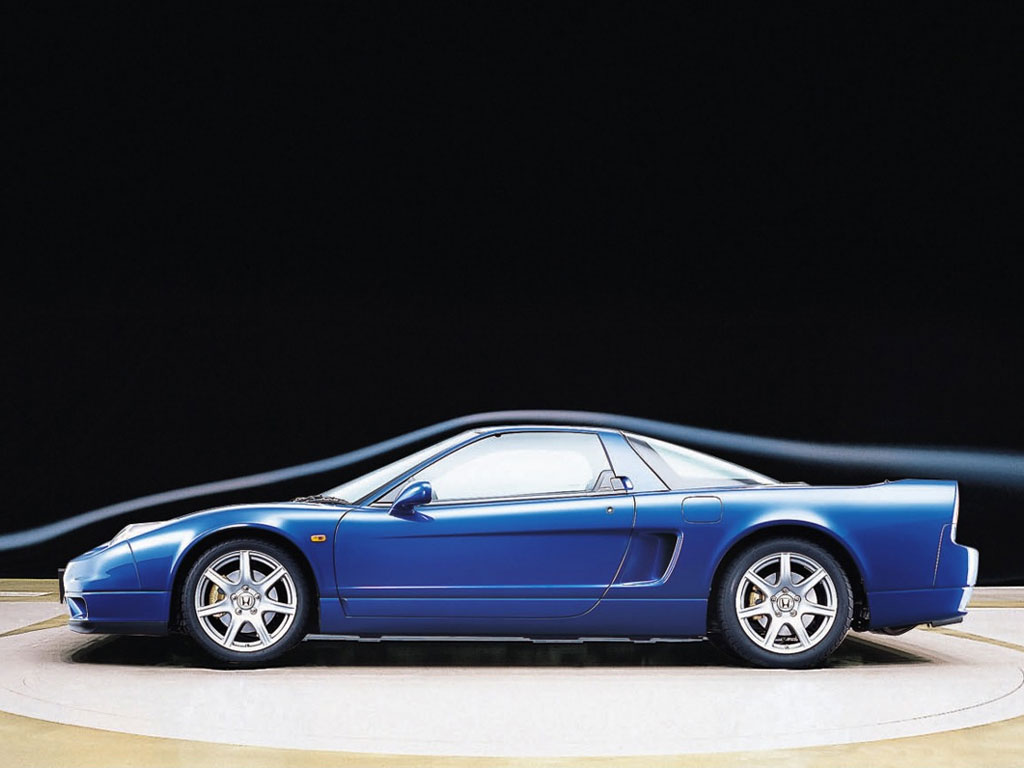
The biggest exterior changes for the NSX came in 2002 when it received a facelift with fixed headlights and various other cosmetic refinements such as xenon HID headlamps (see photo from LA Autoshow 2003). The fixed roof NSX was dropped for the 2002 model year. The suspension was revised and the NSX received larger wheels and tires. In addition, the NSX was now available in a number of exterior colors with either a matching or black interior to provide a number of possible color combinations.
A second iteration of the type-R dubbed NSX-R was released in 2002, again exclusively in Japan. The NSX-R has a more aggressive rear spoiler and hood vent, along with various refinements to reduce weight to 1270 kg. Under the body, panels and air fences in the front, along with a small rear diffuser serve to produce balanced downforce. The subtle changes along with its renowned handling have kept NSX-R in contention on the track even against considerably higher-powered cars, such as the Ferrari 360 Challenge Stradale, whose Nordschleife lap time it tied.
A more agile, more responsive, and quicker limited edition NSX called the NSX-R GT was later released. This model was limited to a production run of 5 cars, at a cost of US$ 462,400. This NSX was created to help Honda comply with the Super GT production-based race car requirements. It's easily identifiable by the non-functional snorkel attached to the roof of the car (this is functional in the Super GT race cars), lower and widened body, and more aggressive aerodynamic components.
The Type-S continues with the face-lifted NSX keeping the weight at 1320 kg.
 Luxury Sports Cars are lovely to look at but if you can't afford the real thing the next best is a gleaming, shiny and brand new Luxury Sports Car. Pictured above is a lovely red BMW M6 which has five spoke rims on those large wheels which fill those arches. The curves of this Luxury Sports Car do not dissapoint since they add to the overall breathtaking effect of the car.